
 A Oneindia Venture


 Click it and Unblock the Notifications
Accounting Policies of Govind Poy Oxygen Ltd. Company
Mar 31, 2014
A) Basis of Accounting
The financial statements are prepared under the historical cost
convention, on accrual basis of accounting in conformity with the
accounting Principals generally accepted in India and comply with the
Accounting Standards referred to in Section 211(3C) of the Companies
Act 1956.
b) Use of Estimates
The presentation of financial statements in conformity with the
generally accepted accounting Principals requires estimates and
assumptions to be made that affect the reported amounts of assets and
liabilities on the date of financial statements and the reported amount
of revenue and expenses during the reporting period. Differences
between the actual result and the estimates are recognised in the
period in which the results are known / materialized.
c) Revenue Recognition
i) Sale of goods : Income is considered to accrue upon full execution
of the terms of sale, which normally coincides
with delivery.
ii) Interest/ Claims : Income is taken credit for on accrual basis
wherever realisability is not in doubt and others
on receipt.
iii) Penalty for
delayed return of : Income is considered to accrue on time basis in
accordance with the cylinders and other services
terms of sale.
d) Fixed Assets
Fixed assets are stated at cost of acquisition or construction, less
accumulated depreciation charged. Impairment in such value, if any, is
adjusted. Cost includes all direct expenses incurred to bring an asset
to working condition for its intended use.
Leasehold Lands are stated at the lease premiums paid, less
amortization.
e) Impairment of Assets
The carrying amount of assets is reviewed at each Balance Sheet date
for indicators of impairment based on intemal/external factors. An
impairment loss is recognized and charged to statement of profit and
loss in the period in which an asset is identified as impaired, when
the carrying value of the asset exceeds its recoverable value. The
impairment loss recognised in the prior accounting periods is increased
or reversed to the extent of the carrying value that would have
prevailed by charging usual depreciation if there was no impairment.
f) Depreciation/ Amortization
Depreciation on Fixed Assets has been provided during the year at the
rates prescribed in Schedule XIV on written down method in accordance
with the provisions of Section 205(2)(b) of the Companies Act, 1956.
g) Borrowing Costs
Borrowing costs that are attributable to the acquisition or
construction of qualifying assets are capitalized as part of the cost
of such assets. A qualifying asset is one that necessarily takes
substantia! period of time to get ready for intended
¦ ins A il Aflior UArrAimrirr OAefe aro onomori Frv
h) Foreign Currency Transaction
Transactions in foreign currencies are recorded at the exchange rate
prevailing on the date of the transaction. Monetary assets and
liabilities outstanding at the Balance Sheet date are translated at the
applicable exchange rates prevailing at the year-end. The exchange
gain/loss arising during the year are adjusted to the the statement of
profit and loss.
i) Inventories
Inventories are valued at lower of cost or net realizable value on
first in first out basis. For this purpose cost of bought out
inventories comprises the purchase cost of the items net of Cenvat
availed and the cost of bringing them to the factory. The cost of
manufactured inventories comprises the direct cost of production plus
appropriate overheads. The net realizable value of bought out
inventories is their current replacement cost.
j) Investments
Long term investments are valued at cost. In case of long-term
investments, provision/write down is made for permanent diminution in
value. Current investments are valued at lower of cost or fair value.
k) Employee Benefits :
i) Short Term Employee Benefits
All employee benefits payable wholly within twelve months of rendering
the service are classified as short-term employee benefits and
recognised in the period in which the employee renders the related
service.
ii) Defined Contribution Plans
The company has defined contribution plans for employees comprising of
Provident Fund and Employee''s State Insurance. The contributions
paid/payable to these plans during the year are charged to the
statement of profit and loss for the year.
iii) Defined Benefit Plans
Payment of Gratuity to employees is covered by the Gratuity Trust
Scheme based on the Group Gratuity cum Assurance Scheme of the LIC of
India, which is a defined benefit scheme and the company makes
contributions under the said scheme.
iv) Other Long Term Employee Benefits
The company has a scheme for compensated absences for employees, the
liability of which is determined on the basis of an actual valuation
carried out at the end of the year.
l) Segment Reporting
The Company has identified two reportable segments viz. Gases and
Investments. Segments have been identified and reported taking into
account nature of products and services, the differing risk and returns
and the internal business reporting systems. The accounting policies
adopted for segment reporting are in line with the accounting policy of
the Company with following additional policies for segment reporting.
m) Taxes on Income
Tax expense comprises of current and deferred tax.
Provision for current tax is made in accordance with the provisions of
the Income Tax Act, 1961.
The deferred tax for timing differences between the book and tax
profits for the year is accounted for, using the tax rates and laws
that have been substantively enacted as of the balance sheet date.
Deferred tax assets arising from timing differences are recognized to
the extent there is reasonable certainty that these would be realized
in future. Deferred tax assets in case of unabsorbed depreciation are
recognized only if there is virtual certainty that such deferred tax
asset can be realized against future taxable profits. ''
n) Earnings per share
Basic Earnings per share is calculated by dividing the net profit after
tax for the year attributable to equity shareholders of the company by
weighted average number of equity shares in issue during the year.
o) Provisions, Contingent Liabilities and Contingent Assets
Provisions involving substantial degree of estimation in measurement
are recognized when there is a present obligation as a result of past
events and it is probable that there will be an outflow of resources.
Contingent Liabilities are not recognized but are disclosed in the
notes. Contingent Assets are neither recognized nor disclosed in the
financial statements. *
Mar 31, 2013
A) Basis of Accounting
The financial statements are prepared under the historical cost
convention, on accrual basis of accounting in conformity with the
accounting Principals generally accepted in India and comply with the
Accounting Standards referred to in Section 2I1(3C) of the Companies
Act 1956.
b) Use of Estimates
The presentation of financial statements in conformity with the
generally accepted accounting Principals requires estimates and
assumptions to be made that affect the reported amounts of assets and
liabilities on the date of financial statements and the reported amount
of revenue and expenses during the reporting period. Differences
between the actual result and the estimates are recognised in the
period in which the results are known / materialized.
c) Revenue Recognition
i) Sale of goods : Income is considered to accrue upon full execution
of the terms of sale, which normally coincides with delivery.
ii) Interest/ Claims : Income is taken credit for on accrual basis
wherever realisability is not in doubt and others on receipt.
iii) Penalty for delayed return of cylinders : Income is considered to
accrue on time basis in accordance with the terms of and other services
sale.
d) Fixed Assets
Fixed assets are stated at cost of acquisition or construction, less
accumulated depreciation charged. Impairment in such value, if any. is
adjusted. Cost includes all direct expenses incurred to bring an asset
to working condition for its intended use. Leasehold Lands are stated
at the lease premiums paid, less amortization.
c) Impairment of Assets
The carrying amount of assets is reviewed at each Balance Sheet date
for indicators of impairment based on internal/external factors. An
impairment loss is recognized and charged to statement of profit and
loss in the period in which an asset is identified as impaired, when
the carrying value of the asset exceeds its recoverable value. The
impairment loss recognised in the prior accounting periods is increased
or reversed to the extent of the carrying value that would have
prevailed by charging usual depreciation if there was no impairment.
f) Depreciation/ Amortization
Depreciation on Fixed Assets has been provided during the year at (he
rales prescribed in Schedule XIV on witten down method in accordance
with the provisions of Section 205(2){b) of the Companies Act. 1956.
g) Borrowing Costs
Borrowing costs that are attributable to the acquisition or
construction of qualifying assets are capitalized as part of the cost
of such assets. A qualifying asset is one that necessarily takes
substantial period of time to get ready for intended use. All other
borrowing costs are charged to revenue.
Page 21
h) Foreign Currency Transaction
Transactions in foreign currencies are recorded at the exchange rate
prevailing on the date of the transaction. Monetary assets and
liabilities outstanding at the Balance Sheet date are translated at the
applicable exchange rates prevailing at the year-end. The exchange
gain/loss arising during the year are adjusted to the the statement of
profit and loss.
i) Inventories
Inventories are valued at lower of cost or net realizable value on
first in first out basis. For this purpose cost of bought out
inventories comprises the purchase cost of the items net of Cenvat
availed and the cost of bringing them to the factory. The cost of
manufactured inventories comprises the direct cost of production plus
appropriate overheads. The net realizable value of bought out
inventories is their current replacement cost.
j) Investments
Long term investments are valued at cost. In case of long-term
investments, provision/write down is made for permanent diminution in
value. Current investments are valued at lower of cost or fair value.
k) Employee Benefits :
a) Short Term Employee Benefits
All employee benefits payable wholly within twelve months of rendering
the service are classified as short-term employee benefits and
recognised in the period in which the employee renders the related
service.
b) Defined Contribution Plans
The company has defined contribution plans for employees comprising of
Provident Fund and Employee''s State Insurance. The contributions
paid/payable to these plans during the year are charged to the
statement of profit and loss for the year.
c) Defined Benefit Plans
Payment of Gratuity to employees is covered by the Gratuity Trust
Scheme based on the Group Gratuity cum Assurance Scheme of the LIC of
India, which is a defined benefit scheme and the company makes
contributions under the said scheme.
d) Other Long Term Employee Benefits
The company has a scheme for compensated absences for employees, the
liability of which is determined on the basis of an actual valuation
carried out at the end of the year.
1) Segment Reporting
The Company has identified two reportable segments viz. Gases and
Investments. Segments have been identified and reported taking into
account nature of products and services, the differing risk and returns
and the internal business reporting systems. The accounting policies
adopted for segment reporting are in line with the accounting policy of
the Company with following additional policies for segment reporting.
m) Taxes on Income
Tax expense comprises of current and deferred tax.
Provision for current tax is made in accordance with the provisions of
the Income Tax Act, 1961.
The deferred tax for timing differences between the book and tax
profits for the year is accounted for, using the tax rates and laws
that have been substantively enacted as of the balance sheet date.
Deferred tax assets arising from timing differences are recognized to
the extent there is reasonable certainty that these would be realized
in future. Deferred tax assets in case of unabsorbed depreciation are
recognized only if there is virtual certainty that such deferred tax
asset cati be realized against future taxable profits.
n) Earnings per share
Basic Earnings per share is calculated by dividing the net profit after
tax for the year attributable to equity shareholders of the company by
weighted average number of equity shares in issue during the year.
Page 22
o) Provisions, Contingent Liabilities and Contingent Assets
Provisions involving substantial degree of estimation in measurement
are recognized when there is a present obligation as a result of past
events and it is probable that there will be an outflow of resources.
Contingent Liabilities are not recognized but are disclosed in the
notes. Contingent Assets are neither recognized nor disclosed in the
financial statements.
Mar 31, 2011
Method of Accounting
The Books of Accounts are maintained on accrual basis. The accounts are
prepared on historical cost basis and as a going concern.
Fixed Assets
The Gross Block' of fixed assets are shown at the cost of acquisition
inclusive of inward freight, duties and taxes and incidental expenses
related to acquisition
Depreciation
Depreciation on fixed assets has been provided on written down value
method in accordance with the provision of Section 205 (2) (a) of the
Companies Act 1956.
Inventories
Raw materials and finished goods are valued at cost or market value
whichever is lower. Stores and spare parts are valued at cost. The cost
is arrived at on first in first out basis.
Employees Benefits
Monthly Provident Fund contributions have been regularly deposited with
the Government and charged to revenue. The Company has made arrangement
with Life Insurance Corporation of India to administer its gratuity
scheme.
Provision for Taxation
Provision for taxation is computed as per the income returnable under
the Income-tax Act, 1961.
Proposed Dividend
Dividend proposed by me Board of Directors has been provided for in the
accounts, pending approval at the Annual General Meeting.
Contingent Liabilities
Contingent Liabilities are not provided for and are disclosed by way of
notes.
Other Accounting Policies
These are consistent with generally accepted accounting practices.
Mar 31, 2010
Method of Accounting
The Books of Accounts are maintained on accrual basis, the accounts are
prepared on historical cost basis and as a going concern.
Fixed Assets
The Gross Block7 of fixed assets are shown at the cost ol acquisition
inclusive oi inward freight, duties and taxes and incidental expenses
related to acquisition.
Depreciation
Depreciation on fixed assets has been provided on written down value
method in accordance with the provision of Section 205 (2) (a) of the
Companies Act 1956.
Inventories
Raw materials and finished goods are valued at cost or market value
whichever is lower. Stores and spare parts are valued at cost. The cost
is arrived at on first in first out basis.
Employees Benefits
Monthly Provident Fund contributions have been regularly deposited with
the Government and charged to revenue. The Company has made arrangement
with Life Insurance Corporation of India to administer its
Provision for taxation
Provision for taxation is computed as per the income returnable under
the Income-tax Act, 1961.
Proposed Dividend
Dividend proposed by the Board of Directors has been provided for in
the accounts, pending approval at the Annual General Meeting.
Contingent Liabilities
Contingent Liabilities are not provided for and are disclosed by way of
notes.
Other Accounting Policies
These are consistent with generally accepted accounting practices.
Mar 31, 2009
Method of Accounting
The Books of Accounts are maintained on accrual basis. The accounts are
prepared on historical cost basis and as a going concern. Fixed Assets
The Gross Block of fixed assets are shown at the cost of acquisition
inclusive of inward freight, duties and taxes and incidental expenses
related to acquisition.
Depreciation
Depreciation on fixed assets has been provided on written down value
method in accordance with the provision of Section 205 (2) (a) of the
Companies Act 1956.
Inventories
Raw materials and finished goods are valued at cost or market value
whichever is lower. Stores and spare parts are valued at cost. The
cost is arrived at on first in first out basis.
Employees Benefits
Monthly Provident Fund contributions have been regularly deposited with
the Government and charged to revenue. The Company has made arrangement
with Life Insurance Corporation of India to administer its gratuity
scheme.
Provision for taxation
Provision for taxation is computed as per the income returnable under
the Income-tax Act, 1961 after crediting MAT set-off availed during the
year.
Proposed Dividend
Dividend proposed by the Board of Directors has been provided for in
the accounts, pending approval at the Annual General Meeting.
Contingent Liabilities
Contingent Liabilities are not provided for and are disclosed by way of
notes. Other Accounting Policies
These are consistent with generally accepted accounting practices.
Disclaimer: This is 3rd Party content/feed, viewers are requested to use their discretion and conduct proper diligence before investing, GoodReturns does not take any liability on the genuineness and correctness of the information in this article
More Information on Govind Poy Oxygen Ltd.
-
Govind Poy Oxygen Ltd. Company Details
- Company Profile
- Company History
- Management Team
- Capital Structure
- Product Mix
- Banker/Auditor/Registrar
-
Govind Poy Oxygen Ltd. Key Financial Ratios
- Ratios
-
Govind Poy Oxygen Ltd. Results
- Quarterly Results
- Half Yearly Results
- Nine Months Results
- Annual Results
-
Govind Poy Oxygen Ltd. Financial Data
- Audited Results
- Cash Flow
- Balance Sheet
-
Govind Poy Oxygen Ltd. Reports
- Accounting Policies
- Auditors Report
- Directors Report
- Notes To Account
-
Govind Poy Oxygen Ltd. Corporate Announcements
- Book Closure
- Dividend
- Board Meetings
-
 ഓഹരി വിപണിയിൽ വൻ കുതിപ്പ്: സെൻസെക്സും നിഫ്റ്റിയും കുതിച്ചുയരുന്നു, നിക്ഷേപകർക്ക് വൻ നേട്ടം
 -
 വിപണിയിൽ വൻ ചാഞ്ചാട്ടം; ഐടി ഓഹരികളുടെ കുതിപ്പിനിടെ നിക്ഷേപകർ ഉറ്റുനോക്കുന്ന ആ നിർണ്ണായക തീരുമാനം ഇതാ!
 -
 കോൾ ഇന്ത്യ സെറ്റിൽമെന്റും വാഹന വിൽപന കണക്കുകളും; നിഫ്റ്റിയിൽ ഇന്ന് വൻ മാറ്റങ്ങൾക്ക് സാധ്യതയോ?
 -
 വെള്ളിയാഴ്ചത്തെ വിപണി തകർച്ച: നിക്ഷേപകരുടെ പണം ഒലിച്ചുപോയോ? സെൻസെക്സ് വീഴ്ചയ്ക്ക് പിന്നിലെ ഞെട്ടിക്കുന്ന കാരണങ്ങൾ ഇതാ!
 -
 സെൻസെക്സ് ഇടിവ് തുടരുമോ? തിങ്കളാഴ്ച വിപണിയിൽ വൻ മാറ്റങ്ങൾക്ക് സാധ്യത, നിക്ഷേപകർ ശ്രദ്ധിക്കേണ്ട കാര്യങ്ങൾ ഇതാ!
 -
 സെൻസെക്സും നിഫ്റ്റിയും കുതിക്കുന്നു; ഓഹരി വിപണിയിലെ ഈ വമ്പൻ മുന്നേറ്റത്തിന് പിന്നിലെ യഥാർത്ഥ കാരണം ഇതാണ്!
 -
 മൺസൂൺ കാറ്റിൽ വിപണി കുതിക്കുമോ? നിക്ഷേപകർ ശ്രദ്ധിക്കേണ്ട നിർണ്ണായക മാറ്റങ്ങളും ഐപിഒ അവസരങ്ങളും ഇതാ!
 -
 വിപണിയിൽ വൻ കുതിപ്പ്; സെൻസെക്സും നിഫ്റ്റിയും റെക്കോർഡ് ഉയരത്തിലേക്ക്, നിക്ഷേപകർക്ക് ഇനി എന്ത് സംഭവിക്കും?
 -
 ഓഹരി വിപണിയിൽ കടുത്ത ചാഞ്ചാട്ടം; നിക്ഷേപകർക്ക് ആശങ്കയോ അതോ അവസരമോ? സെൻസെക്സ് നൽകുന്ന സൂചനകൾ ഇതാ!
 -
 വിപണിയിൽ വൻ തകർച്ച; നിക്ഷേപകരെ ഞെട്ടിച്ച് സെൻസെക്സും നിഫ്റ്റിയും കൂപ്പുകുത്തിയതെങ്ങനെ?
 -
 വിപണിയിൽ തളർച്ച, പക്ഷേ ഓട്ടോ ഓഹരികളിൽ വൻ കുതിപ്പ്; നിക്ഷേപകർക്ക് ഇനി എന്ത് സംഭവിക്കും?
 -
 മെയ് 8: വിപണിയിൽ കുതിപ്പിന് സാധ്യതയോ? നിക്ഷേപകർ ശ്രദ്ധിക്കേണ്ട നിർണ്ണായക ഘടകങ്ങൾ ഇതാ!
 -
 വിപണിയിൽ കനത്ത ഇടിവ്; നിക്ഷേപകരെ ആശങ്കയിലാക്കി സെൻസെക്സും നിഫ്റ്റിയും കൂപ്പുകുത്തി
 -
 വിപണിയിൽ കാളക്കൂറ്റന്മാരുടെ തിരിച്ചുവരവ്; നിഫ്റ്റിയും സെൻസെക്സും കുതിച്ചുയർന്നത് എങ്ങനെ?
 -
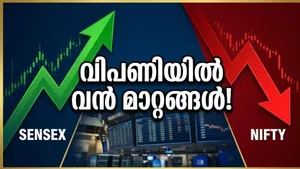 വിപണിയിൽ വൻ കുതിപ്പിന് കളമൊരുങ്ങുന്നു; ഈ ഓഹരികൾ ശ്രദ്ധിക്കാതെ പോകരുത്!
 -
 തിങ്കളാഴ്ച വിപണിയിൽ എന്ത് സംഭവിക്കും? നിക്ഷേപകരെ കാത്തിരിക്കുന്നത് വൻ അട്ടിമറികളോ?
-
Block for 8 hours
-
Block for 12 hours
-
Block for 24 hours
-
Don't block

 Sign in with Google
- Male
- Female
- Others
- Under 18
- 18 to 25
- 26 to 35
- 36 to 45
- 45 to 55
- 55+