
 A Oneindia Venture


 Click it and Unblock the Notifications
Accounting Policies of Gujarat Winding Systems Ltd. Company
Mar 31, 2025
1 SIGNIFICANT ACCOUNTING POLICIES
a Basis of Preparation
The financial statements have been prepared in accordance with the Indian Accounting Standards (Ind AS) notified under the Companies (Indian Accounting Standards) Rules, 2015, as amended, and other relevant provisions of tire Companies Act, 2013. The Company follows the accrual method of accounting and historical cost convention, except for certain financial instruments and assets measured at fair value as required by relevant Ind AS,
b Use of estimates
The preparation of financial statements requires the management of the Company to make estimates and assumptions that affect the reported balances of assets and liabilities and disclosures relating to the contingent liabilities as at the date of the financial statements and reported amounts of income and expense during the year. Examples of such estimates include provisions for doubtful receivables, provision for income taxes, the useful lives of depreciable Property, Plant and Equipment and provision for impairment Future results could differ due to changes in these estimates and the difference between the actual result and the estimates are recognised in the period in which the results are known / materialise.
c Property, Plant and Equipment
Property, Plant and Equipment are stated at cost, less accumulated depreciation / amortisation. Costs include all expenses incurred to bring the asset to its present location and condition.
d Depreciation / amortisation
In respect of Property, Plant and Equipment (other than freehold land and capital work-in-progress) acquired during the year, depreciation/amortisation is charged on a Written Down Value.
e Investments
Long-term investments and current maturities of long-term investments are stated at cost, less provision for other than temporary diminution in value. Current investments, except for current maturities of long-term investments, comprising investments in mutual funds, government securities and bonds are stated at the lower of cost and fair value.
f Revenue recognition
Interest income is recognised on time proportion basis taking into account the amount outstanding and the rate applicable.
g Taxation
Current income tax expense comprises taxes on income from operations in India and in foreign jurisdictions. Income tax payable in India is determined in accordance with the provisions of the Income Tax Act 1961. Tax expense relating to foreign operations is determined in accordance with tax laws applicable in countries where such operations are domiciled.
Deferred tax expense or benefit is recognised on timing differences; being, the difference between taxable income and accounting income that originate in one period and is likely to reverse In one or more subsequent periods. Deferred tax assets and liabilities are measured using the tax rates and tax laws that have been enacted or substantively enacted by the balance sheet date.
The Company offsets deferred tax assets and deferred tax liabilities if it has a legally enforceable right and these relate to taxes on income levied by the same governing taxation laws..
h Inventories
There is no inventories, hence is Not Applicable.
i Provisions, Contingent liabilities and Contingent assets
A provision is recognised when the Company has a present obligation as a result of past event and it is probable that an outflow of resources will be required to settle-the obligation, in respect of which reliable estimate can be made. Contingent liabilities are not recognised in the financial statements. A contingent asset is neither recognised nor disclosed in the financial statements.
j Cash and cash equivalents
The Company considers all highly liquid financial instruments; which are,readily convertible into known amount of cash that are subject to an insignificant risk of changeJn_value and having original maturities of three months or less from the date of purchase, to be cash equivalents.
Mar 31, 2024
1. CORPORATE INFORMATION
M/s. Hi- Tech Winding Systems Limited is a public limited company incorporated under the
provisions of Companies Act, 1956 and having its registered office at Ahmedabad in the state of
Gujarat.
H. STATEMENT OF COMP LI A NT F.;
Standalone Financial Statements have been prepared in accordance with the accounting principles generally accepted in India
including Indian Accouting Standards (Ind AS) prescribed under the section 133 of the Companies Act, 2013 read with rule 3
of the Companies (Indian Accounting Standards) Rules, 2015 as amended and relevant provisions of the Companies Act, 2013.
Accordingly, the Company has prepared these Standalone Financial Statements which comprise the Balance Sheet as at 31
March, 2024, the Statement of Profit and Loss for the year ended 31 March 2024, the Statement of Cash Flows for the year
ended 31 March 2024 and the Statement of Changes in Equity for the year ended as on that date, and accounting policies and
other explanatory information (together hcrcinafte re referred to as âStandalone Financial Statements'' or âFinancial Statements'')
I«- SIGNIFICANT ACCOUNTING POLICIES â¢
1. BASIS OF ACCOUNTING:
The Financial Statements have been prepared under the historical cost convention on accrual basis excepting certain financial
instruments which are measured in terms of relevant Ind AS at fair value/ amortized costs at the end of each reporting period
and investment m one of its subsidiary which as on the date of transition have been fair valued to be considered as deemed cost.
2. PLANT, PROPERTY & EQUIPMENT
Property, Plant and Equipment are stated at cost of acquisition, construction and subsequent improvements thereto less
accumulated depreciation and impairment losses, if any. For this purpose cost include deemed cost on the date of transition and
adjustment for exchange difference wherever applicable and comprises purchase price of assets or its construction cost
including duties and taxes, inward freight and other expenses incidental to acquisition or installation and any cost directly
attributable to bring the asset into the location and condition necessary for it to be capable of operating in the manner intended
for its use. For major projects and capital installations, interest and other costs incurred on / related to borrowings to finance
such projects or fixed assets during construction period and related pre-operative expenses are capitalized,
3. REVENUE RECOGNITION
Revenue from sale of goods rendered is recognised upon passage of title.
4. TAXATIQN OF INCOME
Tax expenses comprises of current and deferred tax. Current income tax is measured at
the amount expected to be paid to die tax authorities in accordance with the Income Tax Act, 1961,
Deferred taxes reflects the impact of current year timing diffrenccs between taxable income
and accouting income for the year and reversal oftimimg diffrcnces of earlier year.
5. Earnings ner Share
Basic Earnings per Share is calculated by dividing the net profit or loss for die period attributable to
equity shareholders by the weighted average number of equity shares outstanding during the period.
Diluted Earnings per Share is calculated by adjustment of all the effects of dilutive potential equity
shares from the net profit or loss for die period attributable to equity shareholders and the weighted
average number of shares outstanding during the period.
6. INVENTORIES
inventories arc valued at lower of cost or net realisable value.
Costs for the purpose of Raw materials, stores and spares and consumables comprise of the respective purchase costs including
non-resmbursablc duties and taxes. Cost for carriage, clearing and forwarding are included in inventory nronortionatelv
Disclaimer: This is 3rd Party content/feed, viewers are requested to use their discretion and conduct proper diligence before investing, GoodReturns does not take any liability on the genuineness and correctness of the information in this article
More Information on Gujarat Winding Systems Ltd.
-
Gujarat Winding Systems Ltd. Tools
- Bulk Deals
- Block Deals
-
Gujarat Winding Systems Ltd. Company Details
- Company Profile
- Company History
- Management Team
- Capital Structure
- Product Mix
- Banker/Auditor/Registrar
-
Company History
- BSE Price History
-
Gujarat Winding Systems Ltd. Key Financial Ratios
- Ratios
-
Gujarat Winding Systems Ltd. Results
- Quarterly Results
- Half Yearly Results
- Nine Months Results
- Annual Results
-
Gujarat Winding Systems Ltd. Financial Data
- Audited Results
- Cash Flow
- Balance Sheet
-
Gujarat Winding Systems Ltd. Reports
- Accounting Policies
- Auditors Report
- Directors Report
- Notes To Account
-
Gujarat Winding Systems Ltd. Corporate Announcements
- Book Closure
- Board Meetings
- Change of Name
-
 ഓഹരി വിപണിയിൽ വൻ കുതിപ്പ്: സെൻസെക്സും നിഫ്റ്റിയും കുതിച്ചുയരുന്നു, നിക്ഷേപകർക്ക് വൻ നേട്ടം
 -
 വിപണിയിൽ വൻ ചാഞ്ചാട്ടം; ഐടി ഓഹരികളുടെ കുതിപ്പിനിടെ നിക്ഷേപകർ ഉറ്റുനോക്കുന്ന ആ നിർണ്ണായക തീരുമാനം ഇതാ!
 -
 കോൾ ഇന്ത്യ സെറ്റിൽമെന്റും വാഹന വിൽപന കണക്കുകളും; നിഫ്റ്റിയിൽ ഇന്ന് വൻ മാറ്റങ്ങൾക്ക് സാധ്യതയോ?
 -
 വെള്ളിയാഴ്ചത്തെ വിപണി തകർച്ച: നിക്ഷേപകരുടെ പണം ഒലിച്ചുപോയോ? സെൻസെക്സ് വീഴ്ചയ്ക്ക് പിന്നിലെ ഞെട്ടിക്കുന്ന കാരണങ്ങൾ ഇതാ!
 -
 സെൻസെക്സ് ഇടിവ് തുടരുമോ? തിങ്കളാഴ്ച വിപണിയിൽ വൻ മാറ്റങ്ങൾക്ക് സാധ്യത, നിക്ഷേപകർ ശ്രദ്ധിക്കേണ്ട കാര്യങ്ങൾ ഇതാ!
 -
 സെൻസെക്സും നിഫ്റ്റിയും കുതിക്കുന്നു; ഓഹരി വിപണിയിലെ ഈ വമ്പൻ മുന്നേറ്റത്തിന് പിന്നിലെ യഥാർത്ഥ കാരണം ഇതാണ്!
 -
 മൺസൂൺ കാറ്റിൽ വിപണി കുതിക്കുമോ? നിക്ഷേപകർ ശ്രദ്ധിക്കേണ്ട നിർണ്ണായക മാറ്റങ്ങളും ഐപിഒ അവസരങ്ങളും ഇതാ!
 -
 വിപണിയിൽ വൻ കുതിപ്പ്; സെൻസെക്സും നിഫ്റ്റിയും റെക്കോർഡ് ഉയരത്തിലേക്ക്, നിക്ഷേപകർക്ക് ഇനി എന്ത് സംഭവിക്കും?
 -
 ഓഹരി വിപണിയിൽ കടുത്ത ചാഞ്ചാട്ടം; നിക്ഷേപകർക്ക് ആശങ്കയോ അതോ അവസരമോ? സെൻസെക്സ് നൽകുന്ന സൂചനകൾ ഇതാ!
 -
 വിപണിയിൽ വൻ തകർച്ച; നിക്ഷേപകരെ ഞെട്ടിച്ച് സെൻസെക്സും നിഫ്റ്റിയും കൂപ്പുകുത്തിയതെങ്ങനെ?
 -
 വിപണിയിൽ തളർച്ച, പക്ഷേ ഓട്ടോ ഓഹരികളിൽ വൻ കുതിപ്പ്; നിക്ഷേപകർക്ക് ഇനി എന്ത് സംഭവിക്കും?
 -
 മെയ് 8: വിപണിയിൽ കുതിപ്പിന് സാധ്യതയോ? നിക്ഷേപകർ ശ്രദ്ധിക്കേണ്ട നിർണ്ണായക ഘടകങ്ങൾ ഇതാ!
 -
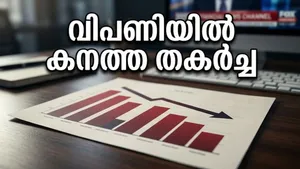 വിപണിയിൽ കനത്ത ഇടിവ്; നിക്ഷേപകരെ ആശങ്കയിലാക്കി സെൻസെക്സും നിഫ്റ്റിയും കൂപ്പുകുത്തി
 -
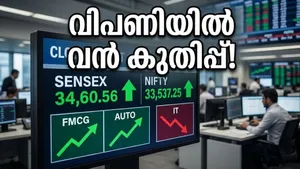 വിപണിയിൽ കാളക്കൂറ്റന്മാരുടെ തിരിച്ചുവരവ്; നിഫ്റ്റിയും സെൻസെക്സും കുതിച്ചുയർന്നത് എങ്ങനെ?
 -
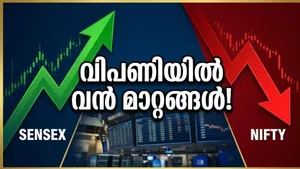 വിപണിയിൽ വൻ കുതിപ്പിന് കളമൊരുങ്ങുന്നു; ഈ ഓഹരികൾ ശ്രദ്ധിക്കാതെ പോകരുത്!
 -
 തിങ്കളാഴ്ച വിപണിയിൽ എന്ത് സംഭവിക്കും? നിക്ഷേപകരെ കാത്തിരിക്കുന്നത് വൻ അട്ടിമറികളോ?
-
Block for 8 hours
-
Block for 12 hours
-
Block for 24 hours
-
Don't block

 Sign in with Google
- Male
- Female
- Others
- Under 18
- 18 to 25
- 26 to 35
- 36 to 45
- 45 to 55
- 55+