
 A Oneindia Venture


 Click it and Unblock the Notifications
Accounting Policies of Haryana Steel & Alloys Ltd. Company
Mar 31, 2009
1. GENERAL:
The financial statements have been prepared on historical cost
convention basis (except for revaluation of certain fixed assets and
providing for depreciation on revalued amount). The generally accepted
accounting principle & standards as formulated by the Institute of
Chartered Accountants of India have been adopted by the Company and
disclosures made in accordance with the requirements of Schedules VI of
the Companies Act, 1956 & the Indian Accounting Standards.
2. REVENUE RECOGNITION:
a. Sale affected from the factory are accounted for on despatch of
goods except for consignment sale, where sales are accounted for on
receipt of advice of sales made by the consignment agents. Sales are
inclusive of excise duty and exclusive of sales tax.
b. As regards other income, revenue is not recognised when there are
uncertainties of their realisation (including the financial conditions
of the persons from whom the same is to be realised.)
3. INVENTORIES VALUATION:
a. Stock of raw-material and stores & spares are valued at lower of
cost or the net realisable value on the First in First Out (FIFO) basis
except for rolls when discarded (intended to be disposed off) are
valued at estimated net realisable value.
b. Moulds issued for use are charged to revenue and such moulds are
treated as scrap at the year end and valued at estimated net realisable
value.
c. Finished Goods are valued at lower of the cost or the net realisable
value. Cost of conversion is included on absorption costing basis.
d. Value of semi-finished goods is arrived at by deducing from the
value of finished goods, processing cost yet to be incurred.
e. Loose tools are valued at cost and depreciated at the rate of 20% on
the written down value.
4. FIXED ASSETS :
a. Fixed assets are stated at cost or replacement cost in case of
revaluation, less accumulated depreciation.
b. Depreciation on original cost is provided for under Straight Line
Method (SLM) at the rates specified in Schedule XIV ofthe Companies
Act, 1956.
c. Depreciation on additions due to revaluation is on straight line
basis over the remaining useful life of the asset. The enhanced
depreciation necessitated by revaluation is met by a transfer of an
equal amount from the revaluation reserve to the Profit & Loss account.
*
d. Interest on term loans upto the commissioning of corresponding
assets is capitalised
5. INVESTMENTS :
a. Quoted investments are valued at the lower of cost or market value.
b. Unquoted investments are valued on the basis of net worth of the
Company.
6. Staff remuneration attributable to repairs & maintenance of Plant &
Machinery are charged to Salaries and Wages account.
7. RESEARCH & DEVELOPMENT COSTS:
Research & development costs (other than cost of fixed assets acquired)
are charged as an expense in the year in which they are incurred.
8. RETIREMENT BENEFITS:
a. Contribution to Provident Fund is accounted for on accrual basis.
b. Gratuity is charged to Profit & Loss Account through a provision for
accruing liability based on the certificate issued by an independent
actuary.
9. Income Tax are computed using the tax effect accounting method where
taxes are accrued in the same period, as the related revenue and
expenses to which they relate. The differences that result between
profit offered for income tax and the profit as per financial
statements are identified and thereafter a deferred tax asset or_
deferred tax liability is recorded for timing difference, namely
differences that originate in one accounting period and reverse in
another, based on the tax effect of the aggregate amount being
considered. Deferred tax assets and liabilities are measured using tax
rates and tax laws enacted or substantially enacted by the balance
sheet date. Deferred tax assets are recognised only if there is
reasonable / virtual cetrainty that they will be realised and are
reviewed for the appropriateness of their respective carrying values at
each balance sheet date. In case of matters under appeal, if any, due
to disallowances or otherwise, full provision is made when the said
liabilities are accepted by the Company.
b) Foreign currency transactions remaining unsettled at the end of the
year are translated at closing rates when not covered by forward
contracts.
10. Liabilities though contingent are provided for, if there are
reasonable prospects of their maturity. Other contingent liabilities
except frivolous claims are disclosed.
Disclaimer: This is 3rd Party content/feed, viewers are requested to use their discretion and conduct proper diligence before investing, GoodReturns does not take any liability on the genuineness and correctness of the information in this article
More Information on Haryana Steel & Alloys Ltd.
-
Haryana Steel & Alloys Ltd. Company Details
- Company Profile
- Management Team
- Capital Structure
- Product Mix
- Banker/Auditor/Registrar
-
Company History
- Rights
-
Haryana Steel & Alloys Ltd. Key Financial Ratios
- Ratios
-
Haryana Steel & Alloys Ltd. Results
- Half Yearly Results
- Nine Months Results
- Annual Results
-
Haryana Steel & Alloys Ltd. Financial Data
- Audited Results
- Cash Flow
- Balance Sheet
-
Haryana Steel & Alloys Ltd. Reports
- Accounting Policies
- Auditors Report
- Directors Report
- Notes To Account
-
Haryana Steel & Alloys Ltd. Corporate Announcements
- Board Meetings
-
 ഓഹരി വിപണിയിൽ വൻ കുതിപ്പ്: സെൻസെക്സും നിഫ്റ്റിയും കുതിച്ചുയരുന്നു, നിക്ഷേപകർക്ക് വൻ നേട്ടം
 -
 വിപണിയിൽ വൻ ചാഞ്ചാട്ടം; ഐടി ഓഹരികളുടെ കുതിപ്പിനിടെ നിക്ഷേപകർ ഉറ്റുനോക്കുന്ന ആ നിർണ്ണായക തീരുമാനം ഇതാ!
 -
 കോൾ ഇന്ത്യ സെറ്റിൽമെന്റും വാഹന വിൽപന കണക്കുകളും; നിഫ്റ്റിയിൽ ഇന്ന് വൻ മാറ്റങ്ങൾക്ക് സാധ്യതയോ?
 -
 വെള്ളിയാഴ്ചത്തെ വിപണി തകർച്ച: നിക്ഷേപകരുടെ പണം ഒലിച്ചുപോയോ? സെൻസെക്സ് വീഴ്ചയ്ക്ക് പിന്നിലെ ഞെട്ടിക്കുന്ന കാരണങ്ങൾ ഇതാ!
 -
 സെൻസെക്സ് ഇടിവ് തുടരുമോ? തിങ്കളാഴ്ച വിപണിയിൽ വൻ മാറ്റങ്ങൾക്ക് സാധ്യത, നിക്ഷേപകർ ശ്രദ്ധിക്കേണ്ട കാര്യങ്ങൾ ഇതാ!
 -
 സെൻസെക്സും നിഫ്റ്റിയും കുതിക്കുന്നു; ഓഹരി വിപണിയിലെ ഈ വമ്പൻ മുന്നേറ്റത്തിന് പിന്നിലെ യഥാർത്ഥ കാരണം ഇതാണ്!
 -
 മൺസൂൺ കാറ്റിൽ വിപണി കുതിക്കുമോ? നിക്ഷേപകർ ശ്രദ്ധിക്കേണ്ട നിർണ്ണായക മാറ്റങ്ങളും ഐപിഒ അവസരങ്ങളും ഇതാ!
 -
 വിപണിയിൽ വൻ കുതിപ്പ്; സെൻസെക്സും നിഫ്റ്റിയും റെക്കോർഡ് ഉയരത്തിലേക്ക്, നിക്ഷേപകർക്ക് ഇനി എന്ത് സംഭവിക്കും?
 -
 ഓഹരി വിപണിയിൽ കടുത്ത ചാഞ്ചാട്ടം; നിക്ഷേപകർക്ക് ആശങ്കയോ അതോ അവസരമോ? സെൻസെക്സ് നൽകുന്ന സൂചനകൾ ഇതാ!
 -
 വിപണിയിൽ വൻ തകർച്ച; നിക്ഷേപകരെ ഞെട്ടിച്ച് സെൻസെക്സും നിഫ്റ്റിയും കൂപ്പുകുത്തിയതെങ്ങനെ?
 -
 വിപണിയിൽ തളർച്ച, പക്ഷേ ഓട്ടോ ഓഹരികളിൽ വൻ കുതിപ്പ്; നിക്ഷേപകർക്ക് ഇനി എന്ത് സംഭവിക്കും?
 -
 മെയ് 8: വിപണിയിൽ കുതിപ്പിന് സാധ്യതയോ? നിക്ഷേപകർ ശ്രദ്ധിക്കേണ്ട നിർണ്ണായക ഘടകങ്ങൾ ഇതാ!
 -
 വിപണിയിൽ കനത്ത ഇടിവ്; നിക്ഷേപകരെ ആശങ്കയിലാക്കി സെൻസെക്സും നിഫ്റ്റിയും കൂപ്പുകുത്തി
 -
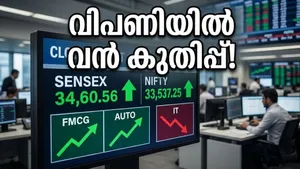 വിപണിയിൽ കാളക്കൂറ്റന്മാരുടെ തിരിച്ചുവരവ്; നിഫ്റ്റിയും സെൻസെക്സും കുതിച്ചുയർന്നത് എങ്ങനെ?
 -
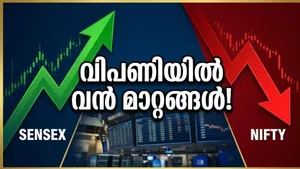 വിപണിയിൽ വൻ കുതിപ്പിന് കളമൊരുങ്ങുന്നു; ഈ ഓഹരികൾ ശ്രദ്ധിക്കാതെ പോകരുത്!
 -
 തിങ്കളാഴ്ച വിപണിയിൽ എന്ത് സംഭവിക്കും? നിക്ഷേപകരെ കാത്തിരിക്കുന്നത് വൻ അട്ടിമറികളോ?
-
Block for 8 hours
-
Block for 12 hours
-
Block for 24 hours
-
Don't block

 Sign in with Google
- Male
- Female
- Others
- Under 18
- 18 to 25
- 26 to 35
- 36 to 45
- 45 to 55
- 55+