
 A Oneindia Venture


 Click it and Unblock the Notifications
Accounting Policies of SM Dyechem Ltd. Company
Mar 31, 2014
A BASIS OF PREPARATION OF FINANCIAL STATEMENTS
The financial statements have been prepared and presented under the
historical cost convention on the accrual basis of accounting and are
in conformity with Generally Accepted Accounting Principles and comply
with the Accounting Standards notified in the Companies (Accounting
Standards) Rules, 2006 and the relevant provisions of the Companies
Act, 1956.
b RECOGNITION OF INCOME & EXPENDITURE
Gross Sale is net of VAT, Rebates, Discounts & sales return but
includes excise duty.
Dividend on long term investments is accounted on receipt basis. Items
of Income and Expenditure are generally recognised on accrual basis
except as stated otherwise,
c FIXED ASSETS:
Fixed assets are stated at cost less depreciation provided. All costs
including financing cost are added to the cost of assets till
capitalisation,
d DEPRECIATION:
Depreciation on fixed assets including used assets has been provided on
straight line method at the rates stipulated in schedule XIV to the
Companies Act, 1956.
e INVENTORIES:
BASIS OF VALUATION
Finished goods is vlaues at cost or net realisable value whichever is
less Obsolete and defective stocks are valued at nil value.
f RETIREMENT BENEFITS:
Gratuity & Leave Encashment liability are provided on actuarial
valuation basis.
g INVESTMENTS:
Long term investments are carried at Cost or market price whichever is
lower. Provision for diminution in value of Long Term Investments is
made only if such a decline is other than temporary in the opinion of
the management.
h IMPAIRMENT OF ASSETS
An asset is treated as impaired when the carrying cost of assets
exceeds its recoverable value. An impairment loss is charged to the
profit and loss account in the year in which an asset is identified as
impaired. The impairment loss recognised in prior accounting periods is
reversed if there has been change in the estimate of recoverable
amount.
i PROVISION FOR CURRENT TAX AND DEFERRED TAX
Income tax expense comprises current tax (i.e. amount of tax for the
period determined in accordance with the income tax law) and deferred
tax charge or credit (reflecting the Tax effects of timing differences
between accounting income and taxable income for the period). The
deferred tax charge or credit and the corresponding deterred tax
liabilities or assets are recognized using the tax rates that have been
enacted or substantially enacted by the balance sheet date. Deferred
tax assets are recognized only to the extent there is reasonable
certainly that the assets can be realized in future; however, where
there is unabsorbed depreciation or carried forward loss under taxation
laws, deferred tax assets are recognized only if there is virtual
certainty of realization of such assets. Deferred tax assets are
reviewed as at each balance sheet date and written down or written up
to reflect the amount that is reasonably / virtually certain (as the
case may be) to be realized.
j PROVISION, CONTINGENT LIABILITIES & CONTINGENT ASSETS:
Provisions involving substantial degree of estimation in measurement
are recognized when there is a present obligation as a result of past
events and it is probable that there will be an outflow of resources.
Contingent Liabilities are not recognized but are disclosed in the
notes. Contingent Assets are neither recognized nor disclosed in the
financial statements.
Jun 30, 2012
A BASIS OF PREPARATION OF FINANCIAL STATEMENTS
The financial statements have been prepared and presented under the
historical cost convention on the accrual basis of accounting and are
in conformity with Generally Accepted Accounting Principles and comply
with the Accounting Standards notified in the Companies (Accounting
Standards) Rules, 2006 and the relevant provisions of the Companies
Act, 1956
b RECOGNITION OF INCOME & EXPENDITURE
Gross Sale is net of VAT, Rebates, Discounts & sales return but
includes excise duty.
Dividend on long term investments is accounted on receipt basis. Items
of Income and Expenditure are generally recognised on accrual basis
except as stated otherwise.
c FIXED ASSETS:
Fixed assets are stated at cost less depreciation provided. All costs
including financing cost are added to the cost of assets till
capitalisation.
d. DEPRECIATION:
Depreciation on fixed assets including used assets has been provided on
straight line method at the rates stipulated in schedule XIV to the
Companies Act, 1956.
e INVENTORIES:
BASIS OF VALUATION
Finished goods is values at cost or net realisable value whichever is
less Obsolete and defective stocks are valued at nil value.
f RETIREMENT BENEFITS:
Gratuity & Leave Encashment liability are provided on actuarial
valuation basis.
g. INVESTMENTS:
Long term investments are carried at Cost or market price whichever is
lower. Provision for diminution in
Term Investments is made only if such a decline is other than temporary
in the opinion of the management.
h IMPAIRMENT OF ASSETS
An asset is treated as impaired when the carrying cost of assets
exceeds its recoverable value. An impairment loss is charged to the
profit and loss account in the year in which an asset is identified as
impaired. The impairment loss recognised in prior accounting periods is
reversed if there has been change in the estimate of recoverable
amount.
i PROVISION FOR CURRENT TAX AND DEFERRED TAX
Income tax expense comprises current tax (i.e. amount of tax for the
period determined in accordance with the income tax law) and deferred
tax charge or credit (reflecting the Tax effects of timing differences
between accounting income and taxable income for the period). The
deferred tax charge or credit and the corresponding deterred tax
liabilities or assets are recognized using the tax rates that have been
enacted or substantially enacted by the balance sheet date. Deferred
tax assets are recognized only to the extent there is reasonable
certainly that the assets can be realized in future; however, where
there is unabsorbed depreciation or carried forward loss under taxation
laws, deferred tax assets are recognized only if there is virtual
certainty of realization of such assets. Deferred tax assets are
reviewed as at each balance sheet date and written down or written up
to reflect the amount that is reasonably / virtually certain (as the
case may be) to be realized
j PROVISION, CONTINGENT LIABILITIES & CONTINGENT ASSETS:
Provisions involving substantial degree of estimation in measurement
are recognized when there is a present obligation as a result of past
events and it is probable that there will be an outflow of resources.
Contingent Liabilities are not recognized but are disclosed in the
notes. Contingent Assets are neither recognized nor disclosed in the
financial statements.
Mar 31, 2011
1. BASIS OF PREPARATION OF FINANCIAL STATEMENTS
The financial statements have been prepared and presented under the
historical cost convention on the accrual basis of accounting and are
in conformity with Generally Accepted Accounting Principles and comply
with the Accounting Standards notified in the Companies (Accounting
Standards) Rules, 2006 and the relevant provisions of the Companies
Act, 1956.
2. RECOGNITION OF INCOME & EXPENDITURE;
Gross Sale is net of Sales Tax/VAT, Rebates, Discounts & sales return
but includes excise duty.
Dividend on long term investments is accounted on receipt basis. Items
of income and Expenditure are generally recognised on accrual basis
except as stated otherwise.
3. FIXED ASSETS:
Fixed assets are stated at cost less depreciation provided. Ail costs
including financing cost are added to the cost of assets till
capitalisation.
4. DEPRECIATION:
Depreciation on fixed assets including used assets has been provided on
straight line method at the rates stipulated in schedule XIV to the
Companies Act, 1956.
5. INVENTORIES:
a) BASIS OF VALUATION
Finished goods : At cost or net realisable value, whichever is lower.
b) Obsolete and defective stocks are valued at nil value.
6. RETIREMENT BENEFITS:
Gratuity & Leave Encashment liability are provided on actuarial
valuation basis.
7. INVESTMENTS:
Long term investments are carried at Cost or market price whichever is
lower. Provision for diminution in value of Long Term Investments is
made only if such a decline is other than temporary in the opinion of
the management.
8. IMPAIRMENT OF ASSETS
An asset is treated as impaired when the carrying cost of assets
exceeds its recoverable value. An impairment loss is charged to the
profit and loss account in the year in which an asset is identified as
impaired. The impairment loss recognised in prior accounting periods is
reversed if there has been change in the estimate of recoverable
amount.
9. PROVISION FOR CURRENT TAX AND DEFERRED TAX
income tax expense comprises current tax (i.e. amount of tax for the
period determined in accordance with the income tax law) and deferred
tax charge or credit (reflecting the Tax effects of timing differences
between accounting income and taxable income for the period). The
deferred tax charge or credit and the corresponding deterred tax
liabilities or assets are recognized using the tax rates that have been
enacted or substantially enacted by the balance sheet date. Deferred
tax assets are recognized only to the extent there is reasonable
certainly that the assets can be realized in future; however, where
there is unabsorbed depreciation or carried forward loss under taxation
laws, deferred tax assets are recognized only if there is virtual
certainty of realization of such assets. Deferred tax assets are
reviewed as at each balance sheet date and written down or written up
to reflect the amount that is reasonably / virtually certain (as the
case may be) to be realized.
10. PROVISION, CONTINGENT LIABILITIES & CONTINGENT ASSETS:
Provisions involving substantial degree of estimation in measurement
are recognized when there is a present obligation as a result of past
events and it is probable that there will be an outflow of resources.
Contingent Liabilities are not recognized but are disclosed in the
notes. Contingent Assets are neither recognized nor disclosed in the
financial statements.
Disclaimer: This is 3rd Party content/feed, viewers are requested to use their discretion and conduct proper diligence before investing, GoodReturns does not take any liability on the genuineness and correctness of the information in this article
More Information on SM Dyechem Ltd.
-
SM Dyechem Ltd. Company Details
- Company Profile
- Company History
- Management Team
- Capital Structure
- Product Mix
- Banker/Auditor/Registrar
-
Company History
- Rights
- BSE Price History
-
SM Dyechem Ltd. Key Financial Ratios
- Ratios
-
SM Dyechem Ltd. Results
- Quarterly Results
- Half Yearly Results
- Nine Months Results
- Annual Results
-
SM Dyechem Ltd. Financial Data
- Audited Results
- Cash Flow
- Balance Sheet
-
SM Dyechem Ltd. Reports
- Accounting Policies
- Auditors Report
- Directors Report
- Notes To Account
-
SM Dyechem Ltd. Corporate Announcements
- Book Closure
- Board Meetings
-
 ഓഹരി വിപണിയിൽ വൻ കുതിപ്പ്: സെൻസെക്സും നിഫ്റ്റിയും കുതിച്ചുയരുന്നു, നിക്ഷേപകർക്ക് വൻ നേട്ടം
 -
 വിപണിയിൽ വൻ ചാഞ്ചാട്ടം; ഐടി ഓഹരികളുടെ കുതിപ്പിനിടെ നിക്ഷേപകർ ഉറ്റുനോക്കുന്ന ആ നിർണ്ണായക തീരുമാനം ഇതാ!
 -
 കോൾ ഇന്ത്യ സെറ്റിൽമെന്റും വാഹന വിൽപന കണക്കുകളും; നിഫ്റ്റിയിൽ ഇന്ന് വൻ മാറ്റങ്ങൾക്ക് സാധ്യതയോ?
 -
 വെള്ളിയാഴ്ചത്തെ വിപണി തകർച്ച: നിക്ഷേപകരുടെ പണം ഒലിച്ചുപോയോ? സെൻസെക്സ് വീഴ്ചയ്ക്ക് പിന്നിലെ ഞെട്ടിക്കുന്ന കാരണങ്ങൾ ഇതാ!
 -
 സെൻസെക്സ് ഇടിവ് തുടരുമോ? തിങ്കളാഴ്ച വിപണിയിൽ വൻ മാറ്റങ്ങൾക്ക് സാധ്യത, നിക്ഷേപകർ ശ്രദ്ധിക്കേണ്ട കാര്യങ്ങൾ ഇതാ!
 -
 സെൻസെക്സും നിഫ്റ്റിയും കുതിക്കുന്നു; ഓഹരി വിപണിയിലെ ഈ വമ്പൻ മുന്നേറ്റത്തിന് പിന്നിലെ യഥാർത്ഥ കാരണം ഇതാണ്!
 -
 മൺസൂൺ കാറ്റിൽ വിപണി കുതിക്കുമോ? നിക്ഷേപകർ ശ്രദ്ധിക്കേണ്ട നിർണ്ണായക മാറ്റങ്ങളും ഐപിഒ അവസരങ്ങളും ഇതാ!
 -
 വിപണിയിൽ വൻ കുതിപ്പ്; സെൻസെക്സും നിഫ്റ്റിയും റെക്കോർഡ് ഉയരത്തിലേക്ക്, നിക്ഷേപകർക്ക് ഇനി എന്ത് സംഭവിക്കും?
 -
 ഓഹരി വിപണിയിൽ കടുത്ത ചാഞ്ചാട്ടം; നിക്ഷേപകർക്ക് ആശങ്കയോ അതോ അവസരമോ? സെൻസെക്സ് നൽകുന്ന സൂചനകൾ ഇതാ!
 -
 വിപണിയിൽ വൻ തകർച്ച; നിക്ഷേപകരെ ഞെട്ടിച്ച് സെൻസെക്സും നിഫ്റ്റിയും കൂപ്പുകുത്തിയതെങ്ങനെ?
 -
 വിപണിയിൽ തളർച്ച, പക്ഷേ ഓട്ടോ ഓഹരികളിൽ വൻ കുതിപ്പ്; നിക്ഷേപകർക്ക് ഇനി എന്ത് സംഭവിക്കും?
 -
 മെയ് 8: വിപണിയിൽ കുതിപ്പിന് സാധ്യതയോ? നിക്ഷേപകർ ശ്രദ്ധിക്കേണ്ട നിർണ്ണായക ഘടകങ്ങൾ ഇതാ!
 -
 വിപണിയിൽ കനത്ത ഇടിവ്; നിക്ഷേപകരെ ആശങ്കയിലാക്കി സെൻസെക്സും നിഫ്റ്റിയും കൂപ്പുകുത്തി
 -
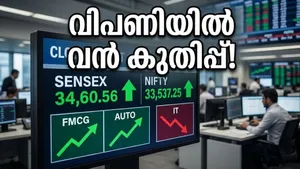 വിപണിയിൽ കാളക്കൂറ്റന്മാരുടെ തിരിച്ചുവരവ്; നിഫ്റ്റിയും സെൻസെക്സും കുതിച്ചുയർന്നത് എങ്ങനെ?
 -
 വിപണിയിൽ വൻ കുതിപ്പിന് കളമൊരുങ്ങുന്നു; ഈ ഓഹരികൾ ശ്രദ്ധിക്കാതെ പോകരുത്!
 -
 തിങ്കളാഴ്ച വിപണിയിൽ എന്ത് സംഭവിക്കും? നിക്ഷേപകരെ കാത്തിരിക്കുന്നത് വൻ അട്ടിമറികളോ?
-
Block for 8 hours
-
Block for 12 hours
-
Block for 24 hours
-
Don't block

 Sign in with Google
- Male
- Female
- Others
- Under 18
- 18 to 25
- 26 to 35
- 36 to 45
- 45 to 55
- 55+