
 A Oneindia Venture


 Click it and Unblock the Notifications
Accounting Policies of Sri Ganapathy Mills Company Ltd. Company
Mar 31, 2014
A) The Accounts of the Company have beer prepared under the Historical
cost convention in accordance with the generally accepted accounting
principles and the provisions of the Companies Act, 1956 as adopted
consistently by the company. The Company follows the Mercantile system
of accounting and recognizes significant items of Income and
Expenditure on accrual basis, except provident fund and employees
state insurance contributions. Bonus, interest due from trading
advances to sister concerns and interest due to NBFCs, which are
accounted on payment basis.
b) A Sale is net of excise, charity, cess and sales tax collected from
customers.
C) DEPRECIATION
Fixed Assets are stated at acquisition cost less accumulated
depreciation.
The Company provides depreciation under the Straight line method at
the rates and in the manner prescribed by Schedule XIV of The
Companies Act, 1956 in respect of Assets acquired in Unit A after
31/03/93 and in respect of all assets acquired in Unit B.
However, in respect of assets acquired in unit A prior to 31/03/93,
the Company provides depreciation under the Written Down Value method
at the rates prescribed under the Income Tax Rules, 1962.
However the company has obtained opinion from the certified engineer
relating to the residual useful life of the assets. Further during the
year the critical power position in Tamil Nadu TNEB has reduced demand
KVA by 40% and running only two shifts per day, resulting in lower
utilization of the machineries. Taking the above in to the
consideration, the depreciation has been provided on the plant and
machinery at 605i of the prescribed rate under the companies Act.
Depreciation at normal rate will be higher by Rs. 61.36 lacs
d) INVENTORIES
The Company values its stock of Raw materials and Stores at Cost and
values its Finished Goods at Sales/realizable value. The Process Stock
is valued at Average Cost
Mar 31, 2012
A. The Accounts of the Company have been prepared under the Historical
cost convention in accordance with the generally accepted accounting
principles and the provisions of the Companies Act, 1956 as adopted
consistently by the company. The Company follows the Mercantile system
of accounting and recognizes significant items of Income and
Expenditure on accrual basis, except provident fund and employees state
insurance contributions, Bonus, interest due from trading advances to
sister concerns and interest due to NBFCs, which are accounted on
payment basis.
b. A Sale is net of excise, charity, cess and sales tax collected from
customers.
c. DEPRECIATION
Fixed Assets are stated at acquisition cost less accumulated
depreciation.
The Company provides depreciation under the Straight line method at the
rates and in the manner prescribed by Schedule XIV of The Companies
Act, 1956 in respect of Assets acquired in Unit A after 31/03/93 and in
respect of all assets acquired in Unit B. However, in respect of
assets acquired in unit A prior to 31/03/93, the Company provides
depreciation under the Written Down Value method at the rates
prescribed under the Income Tax Rules, 1962.
However the company has obtained opinion from the certified engineer
relating to the residual useful life of the assets. Further during the
year the critical power position in Tamil Nadu TNEB has reduced demand
KVA by 30% resulting in lower utilization of the machineries. Taking
the above in to the consideration, the depreciation has been provided
on the plant and machinery at 60% of the prescribed rate under the
companies Act. Depreciation at normal rate will be higher by Rs. 49.27
lacs
d. INVENTORIES
The Company values its stock of Raw materials and Stores at Cost and
values its Finished Goods at Sales/ realizable value. The Process Stock
is valued at Average Cost
2. CONSIGNMENT SALES
The Company records sales to the extent of statements received from the
consignees in respect of stock of finished goods despatched to the
consignees.
3. FOREIGN CURRENCY TRANSACTION.
Liability in Foreign Currency has been shown at cost incurred at the
time of the transaction. Any fluctuation in the liability arising out
of the exchange rates will be accounted for at the time of repayment
and hence no provision has been made for the difference.
4. RETIREMENT BENEFITS AS - 15
a. GRATUITY
In respect of Unit A, all the employees except few staffs have opted
for Voluntary Retirement Scheme and hence in respect of the new
employees there is no gratuity liability. In respect of staffs in the
Unit A and employees of Unit B, gratuity is payable as and when the
employee leaves and the same is accounted on cash basis. However the
Company is taking necessary steps to obtain Actuarial valuation
certificate in respect of anticipated future gratuity liability.
b. LEAVE ENCASHMENT.
The Company normally allows its employees to utilize the leave and no
encashment leave has been demanded. In the event of leave entitlement
being en-cashable in future it will be accounted on payment basis.
However, as at the end of the year no employees have accumulated leave
to encash.
c. PROVIDENT FUND
The Company deposits the Provident fund contribution under the
Employees Provident Fund Scheme run by the Government.
5. BORROWING COSTS - AS - 16.
The Company is following AS-16 with regard to the treatment of
borrowing costs. But there are no borrowing costs to be capitalized
during the year.
Mar 31, 2010
A. The Accounts of the Company have been prepared under the Historical
cost convention in accordance with the generally accepted accounting
principles and the provisions of the Companies Act, 1956 as adopted
consistently by the company. The Company follows the Mercantile system
of accounting and recognizes significant items of Income and
Expenditure on accrual basis, except provident fund and employees state
insurance contributions, Bonus, interest due from trading advances to
sister concerns and interest due to NBFCs, which are accounted on
payment basis.
b. A Sale is net of excise, charity, cess and sales tax collected from
customers.
c. DEPRECIATION
Fixed Assets are stated at acquisition cost less accumulated
depreciation.
The Company provides depreciation under the Straight line method at the
rates and in the manner prescribed by Schedule XIV of The Companies
Act, 1956 in respect of Assets acquired in Unit A after 31/03/93 and in
respect of all assets acquired in Unit B.
However, in respect of assets acquired in unit A prior to 31/03/93, the
Company provides depreciation under the Written Down Value method at
the rates prescribed under the Income Tax Rules, 1962.
However the company has obtained opinion from the certified engineer
relating to the residual useful life of the assets. Further during the
year the critical power position in Tamil Nadu TNEB has reduced demand
KVA by 30% resulting in lower utilization of the machineries.
Taking the above in to the consideration, the depreciation has been
provided on the plant and machinery at 70% of the prescribed rate under
the companies Act. Depreciation at normal rate will be higher by Rs.
38.38 lacs
d. INVENTORIES
The Company values its stock of Raw materials and Stores at Cost and
values its Finished Goods at Sales/ realizable value. The Process Stock
is valued at Average Cost
Disclaimer: This is 3rd Party content/feed, viewers are requested to use their discretion and conduct proper diligence before investing, GoodReturns does not take any liability on the genuineness and correctness of the information in this article
More Information on Sri Ganapathy Mills Company Ltd.
-
Sri Ganapathy Mills Company Ltd. Tools
- Bulk Deals
-
Sri Ganapathy Mills Company Ltd. Company Details
- Company Profile
- Company History
- Management Team
- Capital Structure
- Product Mix
- Banker/Auditor/Registrar
-
Company History
- Bonus
- BSE Price History
-
Sri Ganapathy Mills Company Ltd. Key Financial Ratios
- Ratios
-
Sri Ganapathy Mills Company Ltd. Results
- Quarterly Results
- Half Yearly Results
- Nine Months Results
- Annual Results
-
Sri Ganapathy Mills Company Ltd. Financial Data
- Audited Results
- Cash Flow
- Balance Sheet
-
Sri Ganapathy Mills Company Ltd. Reports
- Accounting Policies
- Auditors Report
- Directors Report
- Notes To Account
-
Sri Ganapathy Mills Company Ltd. Corporate Announcements
- Book Closure
- Board Meetings
-
 ഓഹരി വിപണിയിൽ വൻ കുതിപ്പ്: സെൻസെക്സും നിഫ്റ്റിയും കുതിച്ചുയരുന്നു, നിക്ഷേപകർക്ക് വൻ നേട്ടം
 -
 വിപണിയിൽ വൻ ചാഞ്ചാട്ടം; ഐടി ഓഹരികളുടെ കുതിപ്പിനിടെ നിക്ഷേപകർ ഉറ്റുനോക്കുന്ന ആ നിർണ്ണായക തീരുമാനം ഇതാ!
 -
 കോൾ ഇന്ത്യ സെറ്റിൽമെന്റും വാഹന വിൽപന കണക്കുകളും; നിഫ്റ്റിയിൽ ഇന്ന് വൻ മാറ്റങ്ങൾക്ക് സാധ്യതയോ?
 -
 വെള്ളിയാഴ്ചത്തെ വിപണി തകർച്ച: നിക്ഷേപകരുടെ പണം ഒലിച്ചുപോയോ? സെൻസെക്സ് വീഴ്ചയ്ക്ക് പിന്നിലെ ഞെട്ടിക്കുന്ന കാരണങ്ങൾ ഇതാ!
 -
 സെൻസെക്സ് ഇടിവ് തുടരുമോ? തിങ്കളാഴ്ച വിപണിയിൽ വൻ മാറ്റങ്ങൾക്ക് സാധ്യത, നിക്ഷേപകർ ശ്രദ്ധിക്കേണ്ട കാര്യങ്ങൾ ഇതാ!
 -
 സെൻസെക്സും നിഫ്റ്റിയും കുതിക്കുന്നു; ഓഹരി വിപണിയിലെ ഈ വമ്പൻ മുന്നേറ്റത്തിന് പിന്നിലെ യഥാർത്ഥ കാരണം ഇതാണ്!
 -
 മൺസൂൺ കാറ്റിൽ വിപണി കുതിക്കുമോ? നിക്ഷേപകർ ശ്രദ്ധിക്കേണ്ട നിർണ്ണായക മാറ്റങ്ങളും ഐപിഒ അവസരങ്ങളും ഇതാ!
 -
 വിപണിയിൽ വൻ കുതിപ്പ്; സെൻസെക്സും നിഫ്റ്റിയും റെക്കോർഡ് ഉയരത്തിലേക്ക്, നിക്ഷേപകർക്ക് ഇനി എന്ത് സംഭവിക്കും?
 -
 ഓഹരി വിപണിയിൽ കടുത്ത ചാഞ്ചാട്ടം; നിക്ഷേപകർക്ക് ആശങ്കയോ അതോ അവസരമോ? സെൻസെക്സ് നൽകുന്ന സൂചനകൾ ഇതാ!
 -
 വിപണിയിൽ വൻ തകർച്ച; നിക്ഷേപകരെ ഞെട്ടിച്ച് സെൻസെക്സും നിഫ്റ്റിയും കൂപ്പുകുത്തിയതെങ്ങനെ?
 -
 വിപണിയിൽ തളർച്ച, പക്ഷേ ഓട്ടോ ഓഹരികളിൽ വൻ കുതിപ്പ്; നിക്ഷേപകർക്ക് ഇനി എന്ത് സംഭവിക്കും?
 -
 മെയ് 8: വിപണിയിൽ കുതിപ്പിന് സാധ്യതയോ? നിക്ഷേപകർ ശ്രദ്ധിക്കേണ്ട നിർണ്ണായക ഘടകങ്ങൾ ഇതാ!
 -
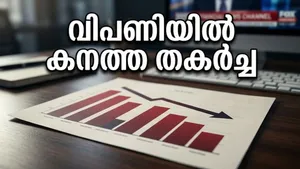 വിപണിയിൽ കനത്ത ഇടിവ്; നിക്ഷേപകരെ ആശങ്കയിലാക്കി സെൻസെക്സും നിഫ്റ്റിയും കൂപ്പുകുത്തി
 -
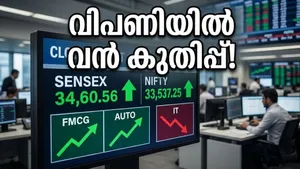 വിപണിയിൽ കാളക്കൂറ്റന്മാരുടെ തിരിച്ചുവരവ്; നിഫ്റ്റിയും സെൻസെക്സും കുതിച്ചുയർന്നത് എങ്ങനെ?
 -
 വിപണിയിൽ വൻ കുതിപ്പിന് കളമൊരുങ്ങുന്നു; ഈ ഓഹരികൾ ശ്രദ്ധിക്കാതെ പോകരുത്!
 -
 തിങ്കളാഴ്ച വിപണിയിൽ എന്ത് സംഭവിക്കും? നിക്ഷേപകരെ കാത്തിരിക്കുന്നത് വൻ അട്ടിമറികളോ?
-
Block for 8 hours
-
Block for 12 hours
-
Block for 24 hours
-
Don't block

 Sign in with Google
- Male
- Female
- Others
- Under 18
- 18 to 25
- 26 to 35
- 36 to 45
- 45 to 55
- 55+