
 A Oneindia Venture


 Click it and Unblock the Notifications
Accounting Policies of Surya Funcity Ltd. Company
Mar 31, 2010
1. Accounting Concepts
-The financial statements are prepared under historical cost convention
on accrual basis of accounting in accordance with generally accepted
accounting principles, applicable Accounting Standards and the relevant
provisions of the Companies Act, 1956.
2 Fixed Assets
Tangible Assets -Fixed Assets are stated at their cost of acquisition
or construction less accumulated depreciation and impairment of assets,
if any.
-Cost comprises of purchase price and any attributable cost of bringing
the asset to its working condition for its intended use.
Intangible Assets
-Intangible Assets are shown at acquisition cost less accumulated
amortisation.
Capital Work-in-Progress
Expenses incurred during construction/installation period are included
under capital work-in-progress and allocated to relevant fixed assets
in the ratio of cost of the respective assets on completion of
construction/installation.
3. Depreciation
-Depreciation on fixed assets is provided, on straight line method
method, as per the rates prescribed in Schedule XIV of the Companies
Act, 1956.
-Depreciation on additions to fixed assets is calculated on month-end
balances.
-Depreciation on assets sold & scrapped, during the year, is provided
upto the month in which such fixed assets are sold or scrapped.
4. Revenue Recognition
-Revenue from sales of goods is recognised when risk and rewards of
ownership are transferred to the customers.
-Revenue from services is recognised as and when services are rendered
and related costs incurred.
-Other income is recognised on accrual basis unless otherwise stated.
-Sales are shown net of taxes, as applicable.
5. Earning per Share (EPS)
Annualised basic earning per equity share is arrived at based on net
profit/(loss) after taxation to the basic weighted average number of
equity shares.
6. Employee Benefits
-Contribution as required under the Statute/Rule is made to Employees
State Insurance & Provident Fund and charged to the Profit & Loss
Account of the year when the contribution to the respective funds are
due.
-Gratuity is accounted for at the time of actual payment - the Company
has not taken any Group Gratuity Policy with L.I.C.
-Leave Encashment is accounted for on accrual basis.
-Termination benefits are recognised as an expense as and when
incurred.
7. Foreign Currency Transactions
-Foreign currency transactions are recorded at the exchange rate
prevailing on the date of transaction.
-All gains or losses arising due to exchange differences at the time of
transaction or settlement are accounted for in the Profit & Loss
Account (except those relating to acquisition of fixed assets, which
are adjusted in the cost of assets).
8. Borrowing Costs
Borrowing costs which are directly attributable to acquisition,
construction or production of a qualifying asset are capitalised as a
part of the cost of such assets. Other borrowing costs are recognised
as an expense in the period in which they are incurred.
9. Investments
Current Investments are carried at lower of cost & fair value.
Long-term investments are carried at cost. Provision for diminution in
value of long term investments is made only, if a decline is other than
temporary.
10. Impairment of Assets
The cash generating units are evaluated at the Balance Sheet date to
ascertain the estimated recoverable amount/value in use as against the
written down value. Impairment loss, if any, is recognized whenever the
written down value exceeds estimated recoverable amount/value in use.
11. Taxes on Income
-Current Tax is determined on the basis of harmonious contextual
interpretation of the Income Tax Act, 1961.
-Deferred tax is recognised, subject to the consideration of prudence
in respect of deferred tax assets, on timing differences, being the
difference between taxable income and accounting income that originate
in one period and are capable of reversal in one or more subsequent
periods.
12. Insurance and other claims
Insurance claims are accounted for on settlement of claims/on receipt.
13. Prior Period Items/Extra-ordinary Items
Prior period items/Extra-ordinary items, having material impact on the
financial affairs of the Company, are disclosed separately.
14. Miscellaneous Expenditure
The Company follows the policy of treating some expenditure, the
benefits of which accrue to the Company over an extended period as
miscellaneous or deferred revenue expenditure and amortises such
expenditure over a period of upto five years depending on the nature &
expected future benefits of such expenditure.
15. Provisions, Contingent Liabilities and Contingent Assets.
Provisions involving substantial degree of estimation in measurement
are recognized when there is a present obligation as a result of past
events and it is probable that there will be an outflow of resources.
Contingent liabilities are not recognised but are disclosed in the
Notes to Accounts. Contingent assets are neither recognised nor
disclosed in the financial statements.
Disclaimer: This is 3rd Party content/feed, viewers are requested to use their discretion and conduct proper diligence before investing, GoodReturns does not take any liability on the genuineness and correctness of the information in this article
More Information on Surya Funcity Ltd.
-
Surya Funcity Ltd. Company Details
- Company Profile
- Company History
- Management Team
- Capital Structure
- Product Mix
- Banker/Auditor/Registrar
-
Surya Funcity Ltd. Key Financial Ratios
- Ratios
-
Surya Funcity Ltd. Results
- Quarterly Results
- Half Yearly Results
- Nine Months Results
- Annual Results
-
Surya Funcity Ltd. Financial Data
- Audited Results
- Cash Flow
- Balance Sheet
-
Surya Funcity Ltd. Reports
- Accounting Policies
- Auditors Report
- Directors Report
- Notes To Account
-
Surya Funcity Ltd. Corporate Announcements
- Book Closure
- Board Meetings
-
 ഓഹരി വിപണിയിൽ വൻ കുതിപ്പ്: സെൻസെക്സും നിഫ്റ്റിയും കുതിച്ചുയരുന്നു, നിക്ഷേപകർക്ക് വൻ നേട്ടം
 -
 വിപണിയിൽ വൻ ചാഞ്ചാട്ടം; ഐടി ഓഹരികളുടെ കുതിപ്പിനിടെ നിക്ഷേപകർ ഉറ്റുനോക്കുന്ന ആ നിർണ്ണായക തീരുമാനം ഇതാ!
 -
 കോൾ ഇന്ത്യ സെറ്റിൽമെന്റും വാഹന വിൽപന കണക്കുകളും; നിഫ്റ്റിയിൽ ഇന്ന് വൻ മാറ്റങ്ങൾക്ക് സാധ്യതയോ?
 -
 വെള്ളിയാഴ്ചത്തെ വിപണി തകർച്ച: നിക്ഷേപകരുടെ പണം ഒലിച്ചുപോയോ? സെൻസെക്സ് വീഴ്ചയ്ക്ക് പിന്നിലെ ഞെട്ടിക്കുന്ന കാരണങ്ങൾ ഇതാ!
 -
 സെൻസെക്സ് ഇടിവ് തുടരുമോ? തിങ്കളാഴ്ച വിപണിയിൽ വൻ മാറ്റങ്ങൾക്ക് സാധ്യത, നിക്ഷേപകർ ശ്രദ്ധിക്കേണ്ട കാര്യങ്ങൾ ഇതാ!
 -
 സെൻസെക്സും നിഫ്റ്റിയും കുതിക്കുന്നു; ഓഹരി വിപണിയിലെ ഈ വമ്പൻ മുന്നേറ്റത്തിന് പിന്നിലെ യഥാർത്ഥ കാരണം ഇതാണ്!
 -
 മൺസൂൺ കാറ്റിൽ വിപണി കുതിക്കുമോ? നിക്ഷേപകർ ശ്രദ്ധിക്കേണ്ട നിർണ്ണായക മാറ്റങ്ങളും ഐപിഒ അവസരങ്ങളും ഇതാ!
 -
 വിപണിയിൽ വൻ കുതിപ്പ്; സെൻസെക്സും നിഫ്റ്റിയും റെക്കോർഡ് ഉയരത്തിലേക്ക്, നിക്ഷേപകർക്ക് ഇനി എന്ത് സംഭവിക്കും?
 -
 ഓഹരി വിപണിയിൽ കടുത്ത ചാഞ്ചാട്ടം; നിക്ഷേപകർക്ക് ആശങ്കയോ അതോ അവസരമോ? സെൻസെക്സ് നൽകുന്ന സൂചനകൾ ഇതാ!
 -
 വിപണിയിൽ വൻ തകർച്ച; നിക്ഷേപകരെ ഞെട്ടിച്ച് സെൻസെക്സും നിഫ്റ്റിയും കൂപ്പുകുത്തിയതെങ്ങനെ?
 -
 വിപണിയിൽ തളർച്ച, പക്ഷേ ഓട്ടോ ഓഹരികളിൽ വൻ കുതിപ്പ്; നിക്ഷേപകർക്ക് ഇനി എന്ത് സംഭവിക്കും?
 -
 മെയ് 8: വിപണിയിൽ കുതിപ്പിന് സാധ്യതയോ? നിക്ഷേപകർ ശ്രദ്ധിക്കേണ്ട നിർണ്ണായക ഘടകങ്ങൾ ഇതാ!
 -
 വിപണിയിൽ കനത്ത ഇടിവ്; നിക്ഷേപകരെ ആശങ്കയിലാക്കി സെൻസെക്സും നിഫ്റ്റിയും കൂപ്പുകുത്തി
 -
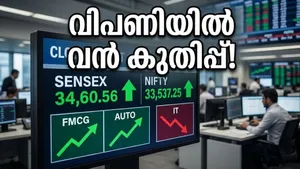 വിപണിയിൽ കാളക്കൂറ്റന്മാരുടെ തിരിച്ചുവരവ്; നിഫ്റ്റിയും സെൻസെക്സും കുതിച്ചുയർന്നത് എങ്ങനെ?
 -
 വിപണിയിൽ വൻ കുതിപ്പിന് കളമൊരുങ്ങുന്നു; ഈ ഓഹരികൾ ശ്രദ്ധിക്കാതെ പോകരുത്!
 -
 തിങ്കളാഴ്ച വിപണിയിൽ എന്ത് സംഭവിക്കും? നിക്ഷേപകരെ കാത്തിരിക്കുന്നത് വൻ അട്ടിമറികളോ?
-
Block for 8 hours
-
Block for 12 hours
-
Block for 24 hours
-
Don't block

 Sign in with Google
- Male
- Female
- Others
- Under 18
- 18 to 25
- 26 to 35
- 36 to 45
- 45 to 55
- 55+