
 A Oneindia Venture


 Click it and Unblock the Notifications
Accounting Policies of Futuristic Offshore Services & Chemical Ltd. Company
Mar 31, 2014
1. Basis of Accounting
The Company adopts the accrual concepts in the preparation of the
accounts. The Financial statements are based on historical cost unless
and otherwise stated. The accounting principles employed are generally
accepted in India and materially comply with mandatory accounting
standards issued by the Institute of Chartered Accountants of India.
2. Summary of significant accounting policies
a. Fixed Assets and Depreciation.
Fixed assets are recorded at original cost of acquisition. It includes
all expenses up to commissioning / putting the asset into use and is
net of credits availed under modvat / cenvat scheme where applicable.
The assets are capitalized when they are put to use.
Depreciation is provided on straight line in the manner and method at
the rates specified under the Companies Act, 1956. The identification
of "continuous process" plant for the purposes of determining the
appropriate rate of depreciation, being a technical matter is based on
representation made by the management. Depreciation is not being
charged on lease hold land.
b. Investments.
An investment quoted is stated at cost.
c. Inventories.
Inventories consisting of consumable stores and spares raw materials
and work-in process are valued at cost. Benefit of excise duty under
modvat/cenvat Scheme is adjusted in the cost of materials. Finished
goods are valued at lower of cost or determined on absorption costing
basis, Stock of finished goods include stock in liquid & powder form.
d. Retirement Benefits.
(I) Contribution to defined schemes such as Provident Fund shall be
made monthly at a pre-determined rate and debited to profit and loss
account on accrual basis.
(II) Liability for leave encashment is recognized only on actual
occurrence of the event.
e. Foreign Currency Transactions.
(I) Foreign currency transactions shall be recorded at the exchange
rates prevailing at the date of transaction. Gains/Losses on the
re-statement or actual realization / payment of the Foreign currency
transaction, if any, are recognized in the profit & loss account of the
period in which they arise.
(II) Monetary assets and liabilities related to foreign currency
transactions remaining unsettled at the end of the year are translated
at year-end rates.
f. Contingent Liabilities.
(I) Contingent liabilities are determined on the basis of available
information.
(II) Disputed liabilities and claims against the Company are treated as
contingent liabilities.
g. Sales:
When the supply of goods taken place in accordance with the terms of
sales. The value is recorded as sales, inclusive of excise duty but net
of trade discounts, if any. But excluding of vat.
Mar 31, 2012
1. Basis of Accounting.
The Company adopts the accrual concepts in the preparation of the
accounts. The Financial statements are based on historical cost unless
and otherwise stated. The accounting principles employed are generally
accepted in India and materially comply with mandatory accounting
standards issued by the Institute of Chartered Accountants of India.
2. Fixed Assets and Depreciation.
(i) Fixed assets is recorded at original cost of acquisition. It
includes all expenses up to commissioning/putting the asset into use
and is net of credits availed under modvat/cenvat scheme where
applicable. The assets are capitalized when they are put to use.
(ii) Depreciation is provided on straight line in the manner and method
at the rates specified under the Companies Act, 1956. The
identification of "continuous process" plant for the purposes of
determining the appropriate rate of depreciation, being a technical
matter is based on representation made by the management. Depreciation
is not be charged on lease hold land.
3. Investments.
An investment quoted is stated at cost.
4. Inventories.
Inventories consisting of consumable stores and spares raw materials
and work-in process are valued at cost. Benefit of excise duty under
modvat/cenvat Scheme is adjusted in the cost of materials. Finished
goods are valued at lower of cost or determined on absorption costing
basis, Stock of finished goods include stock in liquid & powder form.
5. Retirement Benefits.
(i) Contribution to defined schemes such as Provident Fund shall be
made monthly at a pre-determined rate and debited to profit and loss
account on accrual basis.
(ii) Liability for leave encashment is recognized only on actual
occurrence of the event.
6. Foreign Currency Transactions.
(i) Foreign currency transactions shall be recorded at the exchange
rates prevailing at the date of transaction. Gains/Losses on the
re-statement or actual realization/payment of the Foreign currency
transaction, if any, are recognized in the profit & loss account of the
period in which they arise.
(ii) Monetary assets and liabilities related to foreign currency
transactions remaining unsettled at the end of the year are translated
at year-end rates.
7. Contingent Liabilities.
(i) Contingent liabilities are determined on the basis of available
information.
(ii) Disputed liabilities and claims against the Company are treated as
contingent liabilities.
8. Sales:
When the supply of goods taken place in accordance with the terms of
sales. The value is recorded as sales, inclusive of excise duty but net
of trade discounts, if any. But excluding of vat.
Mar 31, 2010
1. Basis of Accounting
The Company adopts the accrual concepts in the preparation of the
accounts. The Financial statements are based on historical cost unless
and otherwise stated. The accounting principles employed are generally
accepted in India and materially comply with mandatory accounting
standards issued by the Institute of Chartered Accountants of India.
2. Fixed Assets And Depreciation
(I) Fixed assets should be recorded at original cost of acquisition. It
includes all expenses up to commissioning / putting the asset into use
and is net of credits availed under modvat / cenvat scheme where
applicable. The assets are capitalized when they are put to use.
(II) Depreciation shall be provided on straight line in the manner and
method at the rates specified under the Companies Act, 1956. The
identification of "continuous process" plant for the purposes of
determining the appropriate rate of depreciation, being a technical
matter is based on representation made by the management. Depreciation
shall not be charged on lease hold land.
3. Investments
Investments are stated at cost.
4. Inventories
Inventories consisting of consumable stores and spares raw materials
and work-in process are valued at cost. Benefit of excise duty under
MODVAT / CENVAT Scheme is adjusted in the cost of materials. Finished
goods are valued at lower of cost or determined on absorption costing
basis, Stock of finished goods include stock in liquid & powder form.
5. Retirement Benefits
(i) Contribution to defined schemes such as Provident Fund shall be
made monthly at a pre-determined rate and debited to profit and loss
account on accrual basis. (ii) Liability for leave encashment is
recognized only on actual occurrence of the event.
6. Foreign Currency Transactions
(i) Foreign currency transactions shall be recorded at the exchange
rates prevailing at the date of transaction. Gains/ Losses on the
re-statement or actual realization/payment of the Foreign currency
transaction, if any, are recognized in the profit & loss account of the
period in which they arise.
(ii) Monetary assets and liabilities related to foreign currency
transactions remaining unsettled at the end of the year are translated
at year-end rates.
7. Contingent Liabilities
(i) Contingent liabilities are determined on the basis of available
information.
(ii) Disputed liabilities and claims against the Company are treated as
contingent liabilities.
8. Sales
When the supply of goods taken place in accordance with the terms of
sales. The value is recorded as sales, inclusive of excise duty but net
of trade discounts, if any. But excluding of vat. However no sales
transactions has been entered during the year.
9. The Company in earlier years had raised interest bearing funds by
way of Term Loan from Financial Institutions,
Working Capital Loans from Banks & by way of issue of Debentures to
Financial institutions. During the year the company has entered into
One Time Settlement (OTS) with certain Financial Institutions and
Banks, where by as on 31st March 2010 company has discharged the
liability comprising of principle & interest in respect of Term Loan &
Debenture from Financial Institution, Working Capital Loan from Banks &
Debenture issue aggregating Rs 3132.18 lacs. Out of that
a) Accordingly the company has credited Rs 225.40 lacs to. Capital
Reserve being the principal outstanding of the term loan which is no
longer payable to Financial Institutions. This waiver is clearly a
capital receipt.
b) Rs 491.80 Lacs comprising the principal components of Working
Capital Loans has written back to profit & loss account which is no
longer payable to banks, as its trading liabilities.
c) Interest waiver amounting to Rs 2414.98 on term loan from Financial
Institutions, Working Capital Loans from Banks & by way of issue of
Debentures to Financial institutions which is no longer payable to
Banks & Financial Institutions, is credited to profit & loss account.
Disclaimer: This is 3rd Party content/feed, viewers are requested to use their discretion and conduct proper diligence before investing, GoodReturns does not take any liability on the genuineness and correctness of the information in this article
More Information on Futuristic Offshore Services & Chemical Ltd.
-
Futuristic Offshore Services & Chemical Ltd. Company Details
- Company Profile
- Company History
- Management Team
- Capital Structure
- Banker/Auditor/Registrar
-
Company History
- Rights
-
Futuristic Offshore Services & Chemical Ltd. Key Financial Ratios
- Ratios
-
Futuristic Offshore Services & Chemical Ltd. Results
- Quarterly Results
- Half Yearly Results
- Nine Months Results
- Annual Results
-
Futuristic Offshore Services & Chemical Ltd. Financial Data
- Audited Results
- Cash Flow
- Balance Sheet
-
Futuristic Offshore Services & Chemical Ltd. Reports
- Accounting Policies
- Auditors Report
- Directors Report
- Notes To Account
-
Futuristic Offshore Services & Chemical Ltd. Corporate Announcements
- Book Closure
- Board Meetings
-
 ഓഹരി വിപണിയിൽ വൻ കുതിപ്പ്: സെൻസെക്സും നിഫ്റ്റിയും കുതിച്ചുയരുന്നു, നിക്ഷേപകർക്ക് വൻ നേട്ടം
 -
 വിപണിയിൽ വൻ ചാഞ്ചാട്ടം; ഐടി ഓഹരികളുടെ കുതിപ്പിനിടെ നിക്ഷേപകർ ഉറ്റുനോക്കുന്ന ആ നിർണ്ണായക തീരുമാനം ഇതാ!
 -
 കോൾ ഇന്ത്യ സെറ്റിൽമെന്റും വാഹന വിൽപന കണക്കുകളും; നിഫ്റ്റിയിൽ ഇന്ന് വൻ മാറ്റങ്ങൾക്ക് സാധ്യതയോ?
 -
 വെള്ളിയാഴ്ചത്തെ വിപണി തകർച്ച: നിക്ഷേപകരുടെ പണം ഒലിച്ചുപോയോ? സെൻസെക്സ് വീഴ്ചയ്ക്ക് പിന്നിലെ ഞെട്ടിക്കുന്ന കാരണങ്ങൾ ഇതാ!
 -
 സെൻസെക്സ് ഇടിവ് തുടരുമോ? തിങ്കളാഴ്ച വിപണിയിൽ വൻ മാറ്റങ്ങൾക്ക് സാധ്യത, നിക്ഷേപകർ ശ്രദ്ധിക്കേണ്ട കാര്യങ്ങൾ ഇതാ!
 -
 സെൻസെക്സും നിഫ്റ്റിയും കുതിക്കുന്നു; ഓഹരി വിപണിയിലെ ഈ വമ്പൻ മുന്നേറ്റത്തിന് പിന്നിലെ യഥാർത്ഥ കാരണം ഇതാണ്!
 -
 മൺസൂൺ കാറ്റിൽ വിപണി കുതിക്കുമോ? നിക്ഷേപകർ ശ്രദ്ധിക്കേണ്ട നിർണ്ണായക മാറ്റങ്ങളും ഐപിഒ അവസരങ്ങളും ഇതാ!
 -
 വിപണിയിൽ വൻ കുതിപ്പ്; സെൻസെക്സും നിഫ്റ്റിയും റെക്കോർഡ് ഉയരത്തിലേക്ക്, നിക്ഷേപകർക്ക് ഇനി എന്ത് സംഭവിക്കും?
 -
 ഓഹരി വിപണിയിൽ കടുത്ത ചാഞ്ചാട്ടം; നിക്ഷേപകർക്ക് ആശങ്കയോ അതോ അവസരമോ? സെൻസെക്സ് നൽകുന്ന സൂചനകൾ ഇതാ!
 -
 വിപണിയിൽ വൻ തകർച്ച; നിക്ഷേപകരെ ഞെട്ടിച്ച് സെൻസെക്സും നിഫ്റ്റിയും കൂപ്പുകുത്തിയതെങ്ങനെ?
 -
 വിപണിയിൽ തളർച്ച, പക്ഷേ ഓട്ടോ ഓഹരികളിൽ വൻ കുതിപ്പ്; നിക്ഷേപകർക്ക് ഇനി എന്ത് സംഭവിക്കും?
 -
 മെയ് 8: വിപണിയിൽ കുതിപ്പിന് സാധ്യതയോ? നിക്ഷേപകർ ശ്രദ്ധിക്കേണ്ട നിർണ്ണായക ഘടകങ്ങൾ ഇതാ!
 -
 വിപണിയിൽ കനത്ത ഇടിവ്; നിക്ഷേപകരെ ആശങ്കയിലാക്കി സെൻസെക്സും നിഫ്റ്റിയും കൂപ്പുകുത്തി
 -
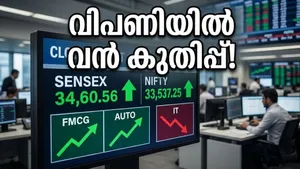 വിപണിയിൽ കാളക്കൂറ്റന്മാരുടെ തിരിച്ചുവരവ്; നിഫ്റ്റിയും സെൻസെക്സും കുതിച്ചുയർന്നത് എങ്ങനെ?
 -
 വിപണിയിൽ വൻ കുതിപ്പിന് കളമൊരുങ്ങുന്നു; ഈ ഓഹരികൾ ശ്രദ്ധിക്കാതെ പോകരുത്!
 -
 തിങ്കളാഴ്ച വിപണിയിൽ എന്ത് സംഭവിക്കും? നിക്ഷേപകരെ കാത്തിരിക്കുന്നത് വൻ അട്ടിമറികളോ?
-
Block for 8 hours
-
Block for 12 hours
-
Block for 24 hours
-
Don't block

 Sign in with Google
- Male
- Female
- Others
- Under 18
- 18 to 25
- 26 to 35
- 36 to 45
- 45 to 55
- 55+